The Ultimate Guide to Cloud Migration in 2025: Best Practices and Key Considerations
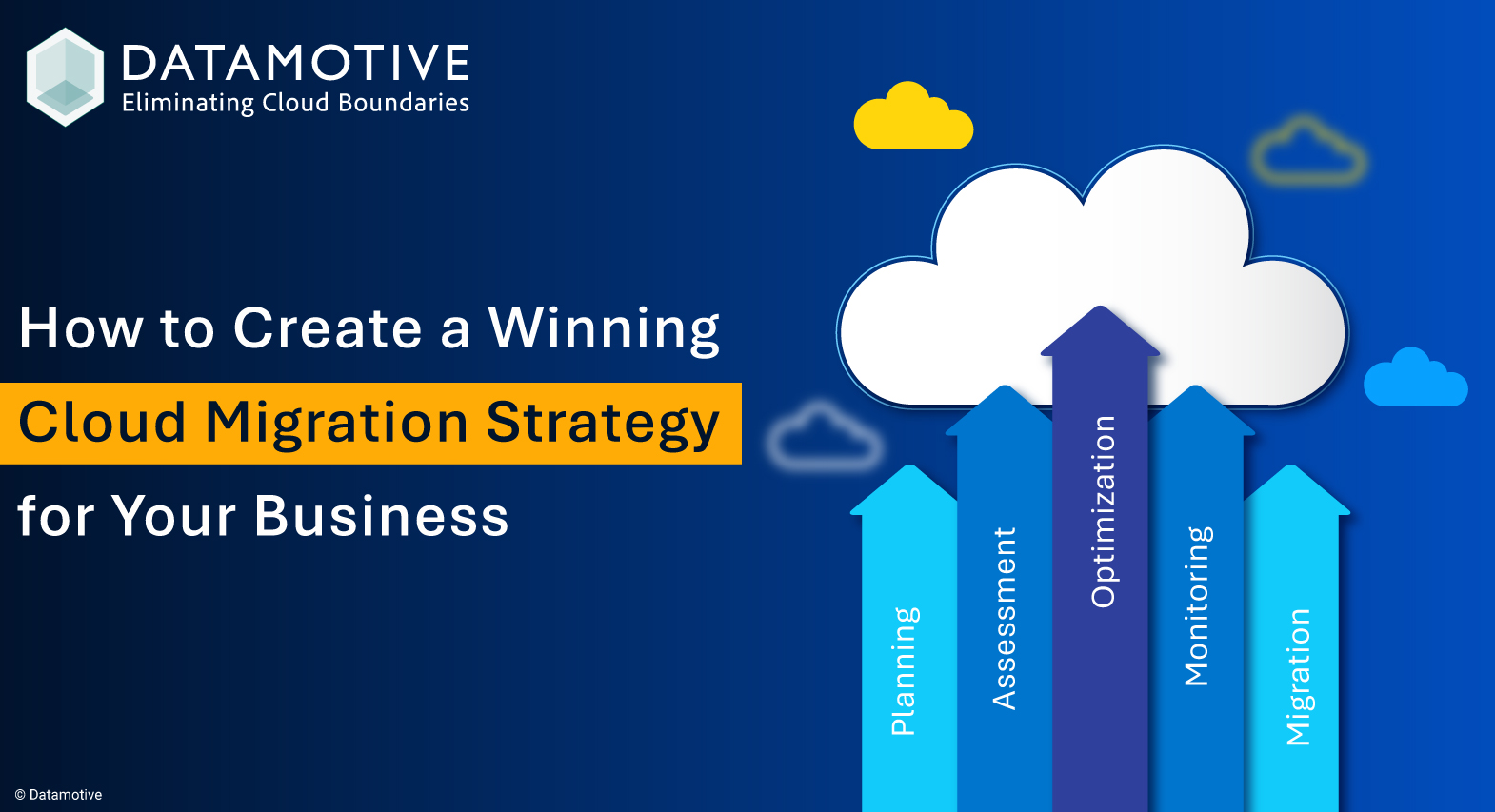
The following guide provides insights into cloud migration best practices and cloud migration key considerations for a smooth and successful cloud journey in 2025.
This article deals with the considerations for and best practices by BFSI organizations regarding navigation through cloud migrations to maintain effortless compliance covering all cloud migration for BFSI points.
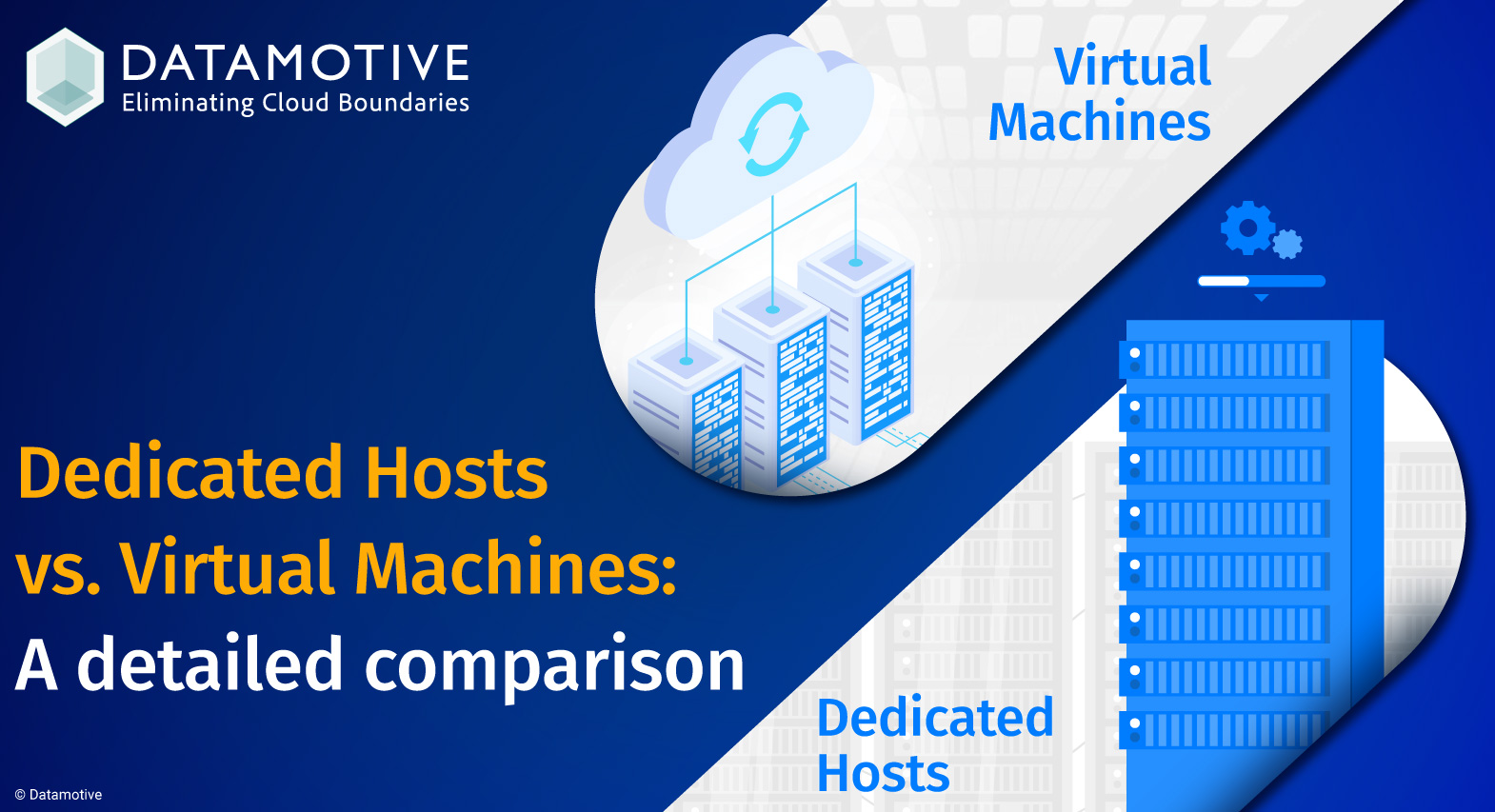
While choosing the right approach between dedicated hosts and virtual machines (VMs), businesses may face one of the biggest decisions while choosing to run applications in a cloud computing space. This is mainly because each type has specific advantages and disadvantages, so the right decision depends upon specific requirements and priorities.
Businesses are dependent on network-based services in the current world. When a disaster hits, disaster recovery is how quickly the critical IT systems and the network infrastructure can be restored to ensure business continuity. IP retention in DR comes into play here.
IP, or internet protocol, in the e-commerce world, is not merely a legal concept; it's what an online business is made of. Brand names and logos, designs, software, and customer data are the very lifeblood of innovation, competitive advantage, and differentiation. The critical aspects of IP retention in e-commerce businesses including the key strategies and considerations are discussed in the article below.
Hybrid cloud environments, combining both on-premises infrastructure with public cloud services, are increasingly common within the modern dynamic IT landscape. On one hand, hybrid environments offer benefits, including flexibility, scalability, and cost-effectiveness; however, they also present particular challenges for internet protocol (IP) retention compliance as well as adherence to pertinent regulations.
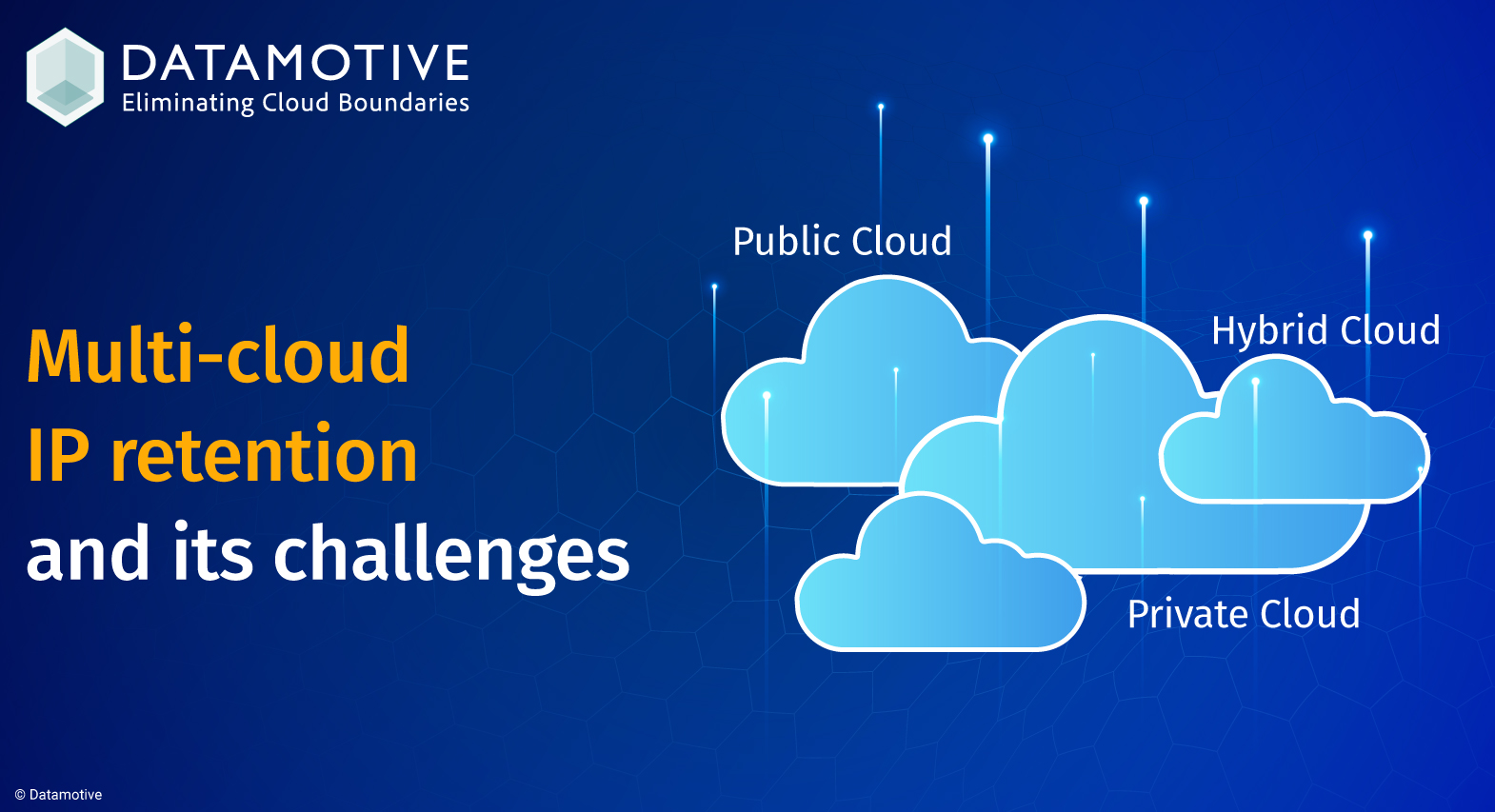
In today's fast-changing IT landscape, organizations are rapidly embracing multi-cloud strategies in order to ensure flexibility, resilience, and innovation. However, this brings up a host of challenges while managing IP across multiple cloud environments. This article delves into the challenges of multi-cloud IP retention and the difficulties organizations must navigate.
Organizations are increasingly adopting multi-cloud strategies to improve flexibility, resilience, and innovation in today's dynamic IT landscape. This distributed environment presents some unique challenges, especially with regards to managing and protecting internet protocol (IP). A strong multi-cloud IP retention strategy is therefore key to protecting your organization's valuable assets in a multi cloud network management.
CES 2025 is just around the corner, and if the signs are any indicators, technology is ready for its newest show-and-tell spectacular. Although some innovations have not yet crossed the foreseen horizon of human inventions, there's a sense of which factors will feature most in what's seen as business continuity in years to come.
It can be said that today’s world runs on a dynamic global economy, and manufacturing businesses face a multitude of challenges that can disrupt their supply chains. From natural disasters and geopolitical instability to pandemics and cyberattacks, these disruptions can have a significant impact on production, delivery, and ultimately, a company's bottom line.